Adipose-Derived Stem Cell Therapy
Adipose-Derived Stem Cell Therapy uses the regenerative power of your own fat cells to reduce chronic pain, accelerate healing, and rebuild damaged tissue — naturally and without surgery. At Connecticut Pain Solutions, Dr. Igor Turok offers this minimally invasive treatment to patients dealing with arthritis, joint pain, sports injuries, and other chronic conditions that haven’t responded to conventional therapies.
What Is Adipose-Derived Stem Cell Therapy?
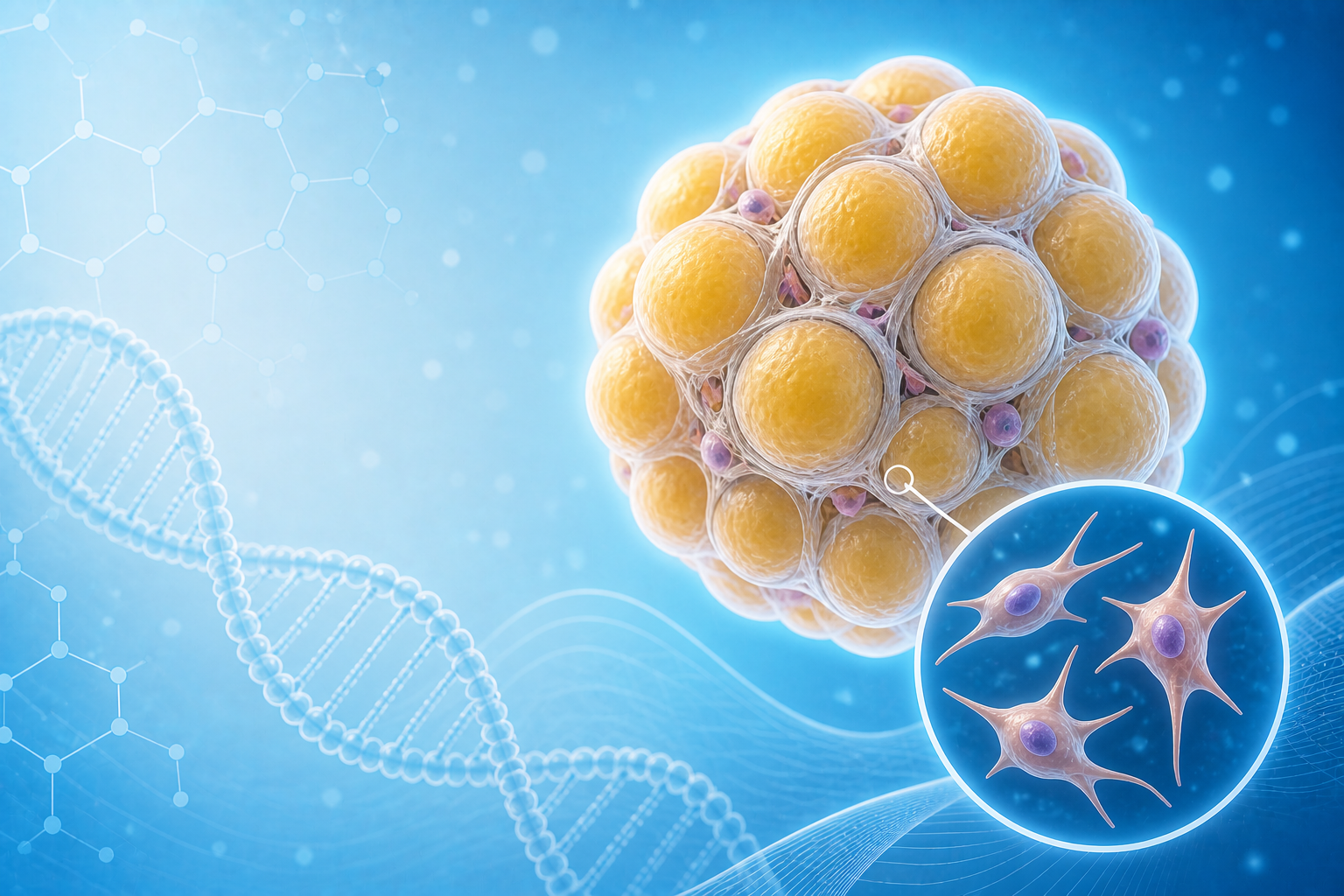
Adipose tissue — the fat stored in your body — is one of the most abundant and accessible sources of mesenchymal stem cells (MSCs) available for regenerative medicine. Unlike bone marrow harvesting, fat collection is highly straightforward, making adipose-derived therapy a particularly accessible option for a broad range of patients.
The procedure involves collecting a small amount of fat from areas such as the abdomen, love handles, hips, or thighs. The fat is processed to isolate and concentrate the stem cells, which are then injected into the area of injury or degeneration to stimulate natural tissue repair and pain relief.
Because the cells come from your own body, there is no risk of rejection, allergic reaction, or disease transmission — making adipose stem cell therapy one of the safest regenerative options available.
Why Adipose Tissue Is Such a Powerful Stem Cell Source
Adipose tissue is highly vascularized — meaning it’s rich in blood vessels — and mesenchymal stem cells reside on the outer walls of those vessels. This makes fat an incredibly dense source of healing cells.
Key advantages of adipose-derived MSCs include:
Abundant Supply — Each injection can deliver millions of MSCs. Lipoaspirate contains hundreds of millions of cells per milliliter, with 1–15% being MSCs — far more than a comparable volume of bone marrow.
Easy to Harvest — Fat deposits in the abdomen, hips, and thighs are easily accessible, and the collection procedure is minimally invasive.
Age-Stable Cell Function — Unlike some stem cell sources, adipose-derived MSCs maintain their regenerative function and quantity as you age — ensuring effective results at any stage of life.
Acts as a Biologic Scaffold — Your own fat tissue creates a natural 3D scaffold that allows other healing cells to bind and work more efficiently, accelerating tissue regeneration.
Anti-Inflammatory Properties — When introduced to an area of injury, adipose-derived MSCs secrete bioactive agents that reduce inflammation and signal surrounding cells to initiate the repair process.
How Adipose Tissue Is Collected
The collection process is straightforward and minimally invasive. A small incision is made at the harvest site — typically the abdomen, flanks, or hips — and the area is numbed with local anesthesia for patient comfort. Using a suction syringe and specialized harvesting cannula, the physician collects approximately 25–50 milliliters of adipose tissue.
Specialized cannulas are used throughout the process to preserve the integrity of the fat cells and the viability of the stem cells within them — a crucial step for ensuring treatment effectiveness.
Once collected, the fat is processed to remove excess blood, oils, and lipids, leaving behind a concentrated adipose tissue sample ready for injection.
The Healing Process: What to Expect
After injection, patients may experience mild soreness at the injection site during the first week, which is normal. Staying active and gently moving the treated area is encouraged to support blood flow and healing.
Most patients begin noticing meaningful improvements in pain levels, mobility, and function between 2 and 4 weeks following treatment. The full regenerative process can continue for up to 12 weeks, as the MSCs signal for the growth of new tissue and supporting cells. For optimal results, 2 to 3 treatment sessions may be recommended.
Comparing Adipose Stem Cells to Other Regenerative Options
At Connecticut Pain Solutions, patients have access to a full spectrum of regenerative medicine options, including Bone Marrow Aspirate (BMA), Bone Marrow Concentrate (BMC), and Platelet-Rich Plasma (PRP). Each approach has distinct strengths, and Dr. Turok will work with you to determine which therapy — or combination of therapies — is best suited to your specific condition and goals.
Adipose stem cell therapy is often preferred when a higher volume of MSCs is needed, when bone marrow harvest is not appropriate, or when the patient prefers a fat-based source. It is also frequently combined with PRP for enhanced results.
Frequently Asked Questions About Adipose Stem Cell Therapy
What conditions can adipose stem cell therapy treat?
Adipose-derived stem cell therapy can be effective for a wide range of conditions including osteoarthritis, chronic joint pain, sports injuries, tendon and ligament damage, degenerative disc disease, and soft tissue injuries. Dr. Turok will evaluate your specific condition during your consultation to determine if this therapy is appropriate for you.
How is adipose stem cell therapy different from bone marrow stem cell therapy?
Both therapies use your own stem cells, but they are sourced from different tissues. Adipose tissue is typically easier to harvest in larger quantities and contains a higher raw volume of MSCs per milliliter. Bone marrow, particularly when concentrated (BMC), may provide MSCs that are particularly well-suited to skeletal and joint repair. Dr. Turok will help you determine the best approach based on your condition.
Is the fat collection procedure painful?
Local anesthesia is applied to the harvest site before the procedure, so most patients experience minimal discomfort during fat collection. Mild soreness at the harvest and injection sites is normal in the days following treatment.
How long does the adipose stem cell procedure take?
The full procedure — including fat harvest, processing, and injection into the treatment area — is typically completed in under two hours and is performed on an outpatient basis. You can return home the same day.
How long does it take to see results from adipose stem cell therapy?
Most patients begin to notice improvement 2 to 4 weeks after treatment, with the full healing response continuing for up to 12 weeks. Some patients may require 2 to 3 treatments to achieve optimal results.
Can adipose stem cell therapy be combined with PRP?
Yes. Combining adipose stem cell therapy with PRP is a common approach that can enhance the overall healing response. PRP provides concentrated growth factors that support the stem cells in signaling tissue repair. Dr. Turok frequently uses both therapies together as part of a comprehensive regenerative treatment plan.
Is adipose stem cell therapy safe?
Yes. Because the treatment uses your own fat cells, there is no risk of rejection or allergic reaction. The procedure is minimally invasive and performed in a sterile clinical environment by Dr. Turok, who has completed over 10,000 regenerative procedures. Risks are minimal and far lower than those associated with surgery or long-term steroid use.