
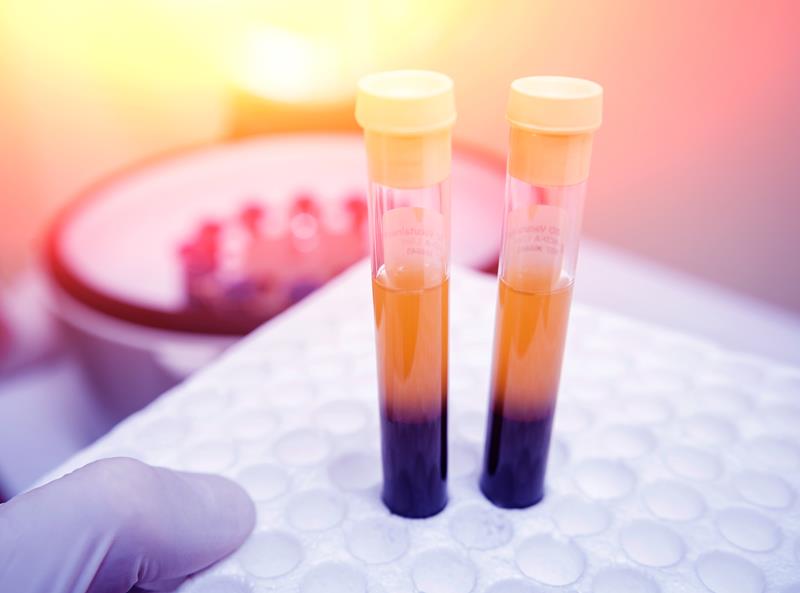
Platelet-Rich Plasma (PRP) Therapy
Platelet-Rich Plasma (PRP) therapy has become one of the most trusted regenerative treatments in modern medicine — used by professional athletes, surgical recovery patients, and people managing chronic pain conditions alike. At Connecticut Pain Solutions, Dr. Igor Turok specializes in PRP therapy for musculoskeletal injuries, joint conditions, and degenerative spinal issues, serving patients in Wallingford, Ridgefield, and throughout Connecticut.
What Is Platelet-Rich Plasma (PRP)?
Your blood is made up of four key elements: plasma, platelets, white blood cells, and red blood cells. Plasma is the liquid component — primarily water and proteins — that keeps your blood cells circulating throughout the body. Platelets are specialized blood cells (thrombocytes) packed with growth factors and cytokines that are essential for clotting, tissue regeneration, and new cell production.
Platelet-Rich Plasma is created by isolating and concentrating the platelet component of your blood — producing a solution that contains 2 to 8 times the normal concentration of platelets found in whole blood. This supercharged healing solution doesn’t occur naturally on its own; it must be processed from a blood draw, which is why medical professionals have begun applying it across a wide range of conditions.
What Happens During a PRP Treatment?
The PRP process at Connecticut Pain Solutions follows these steps:
A small blood sample is drawn from your arm — similar to a routine blood test. The sample is placed in a centrifuge, which spins rapidly to separate plasma and platelets from red and white blood cells. The platelet-rich plasma is drawn into a syringe and precisely injected into the treatment area using ultra-fine needles.
When injected, PRP releases a concentrated burst of growth factors into the tissue. These growth factors accelerate healing, stimulate new cell production, and increase the concentration of bioproteins and signaling hormones at the site of damage — driving the body’s natural recovery from the inside out. There is no recovery period required, though mild bruising around the injection site is normal.
Listen to real patients share their PRP experiences:
What Conditions Can PRP Treat?
Tendon, Ligament, Muscle & Joint Injuries
PRP therapy has become a cornerstone of modern sports medicine. Tendons, ligaments, and muscles are notoriously slow to heal on their own — particularly in high-demand athletes or individuals with overuse injuries. Injecting PRP into the injured area stimulates the healing process, reduces inflammation, and can significantly accelerate recovery.
Conditions that respond well to PRP include Tennis Elbow, rotator cuff and Achilles tendon tears, Jumper’s knee, plantar fasciitis, and general soft tissue injuries. Learn more about our elbow pain treatment and shoulder pain treatment options.
Post-Surgical Healing
PRP injections support healing following surgery on bones, muscles, and tendons — tissues that tend to heal slowly. By enhancing cellular renewal, PRP can reduce scarring, lower infection risk, and accelerate the strengthening of repaired tissue. When used after cosmetic or reconstructive procedures, PRP also reduces the inflammatory response — decreasing the need for opioids or anti-inflammatory drugs during recovery.
Osteoarthritis
Osteoarthritis is a degenerative joint condition that causes progressive tissue breakdown and chronic pain. PRP therapy for osteoarthritis addresses the underlying inflammation and supports cartilage health, helping slow the degenerative process and reduce pain. Studies consistently show PRP produces longer-lasting results than hyaluronic acid injections alone — and when the two are combined, outcomes are even more pronounced.
Connecticut Pain Solutions offers dedicated PRP for arthritis, including PRP for knee arthritis, hip arthritis, and shoulder arthritis.
Spinal Conditions
PRP spine injections offer a promising non-surgical option for patients with chronic back pain that hasn’t responded to conservative care. Dr. Turok uses PRP to treat bulging discs, facet joint pain, spondylosis, degenerative disc disease, enthesopathy, and sacroiliac joint pain.
In one study by Dr. Rohan Bhatia, patients receiving PRP epidural injections for bulging discs reported improvements in pain and mobility lasting at least three months, without complications. At Connecticut Pain Solutions, PRP spine treatment is part of a comprehensive approach to back pain treatment and neck pain treatment.
PRP Therapy Risks and Side Effects
PRP is a low-risk procedure. Because it uses your own blood, there is virtually no risk of allergic reaction — unlike corticosteroid injections. The most common side effect is mild soreness or bruising around the injection site, which subsides within a few days.
Arriving well-hydrated is recommended, as the treatment involves a blood draw. Rare complications may include minor bleeding, nerve sensitivity, tissue irritation, or infection at the injection site. Dr. Turok and his team are highly trained in PRP administration and take every precaution to ensure safe outcomes.
PRP vs. Stem Cell Therapy: What’s the Difference?
Both PRP and stem cell therapy are forms of regenerative medicine, but they work differently:
PRP Therapy uses concentrated platelets from your blood to deliver growth factors that accelerate the body’s natural healing process. PRP enhances the repair environment but does not create new cell types.
Stem Cell Therapy (using BMA, BMC, or adipose tissue) uses primitive cells that can differentiate into bone, cartilage, or muscle — making it particularly effective for conditions requiring structural tissue regeneration.
Dr. Turok will help you determine whether PRP, stem cell therapy, or a combination of both is the most appropriate approach for your specific condition and goals.
Frequently Asked Questions About PRP Therapy
Is PRP therapy safe?
Yes. PRP therapy is considered very safe because it uses your own blood. There is no risk of rejection or allergic reaction. The primary side effects are mild soreness and bruising around the injection site, which typically resolve within a few days. Dr. Turok has administered PRP across both medical and cosmetic applications with an excellent safety record.
How long do PRP injections last?
The duration of PRP results depends on the condition being treated. For joint and spine conditions, many patients experience significant pain relief for six months to over a year. For arthritis specifically, some patients achieve lasting improvement after just one or two treatments.
Does PRP work for herniated or bulging discs?
PRP spine injections can address symptoms related to herniated and bulging discs by reducing inflammation, promoting tissue healing, and improving nerve root function. Clinical studies have shown meaningful improvements in pain and mobility following PRP epidural injections.
How is PRP different from steroid injections?
Steroid injections are primarily anti-inflammatory and provide temporary pain relief. PRP, by contrast, stimulates genuine tissue repair and regeneration. PRP results tend to last longer and improve over time, while steroid effects diminish and can weaken tissue with repeated use.
How many PRP treatments will I need?
Many patients benefit from a single PRP injection, while others require a series of 2 to 3 treatments spaced several weeks apart to achieve the best results. For hair restoration, a series of 3 to 4 sessions is standard. Dr. Turok will develop a personalized treatment plan based on your diagnosis and goals.
Can PRP be combined with stem cell therapy?
Yes. PRP is frequently used alongside stem cell therapies such as BMA, BMC, and adipose-derived stem cell therapy to enhance the regenerative environment and amplify healing outcomes. Dr. Turok will advise on the most effective combination for your condition.
What should I do to prepare for a PRP treatment?
Arriving well-hydrated and having eaten a nutritious meal before your appointment is recommended, as PRP involves a blood draw. You should inform Dr. Turok of any medications you are taking — particularly blood thinners or anti-inflammatory drugs — as these may need to be temporarily paused. Your care team will provide specific preparation instructions before your scheduled treatment.