
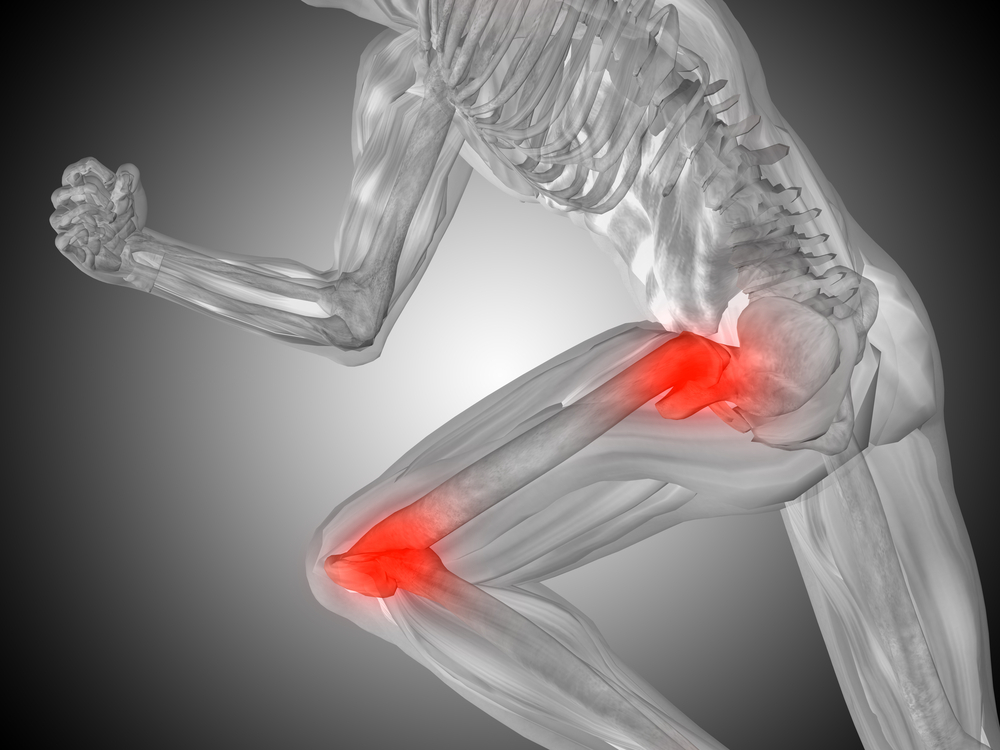
 Arthritis is one of the most common causes of chronic joint pain, stiffness, and reduced mobility, affecting people of all ages across Connecticut. As inflammation builds within the joint, everyday activities like walking, climbing stairs, or even gripping objects can become difficult and painful. While traditional treatments such as medications, physical therapy, and steroid injections can help manage symptoms, many patients are now seeking regenerative options that address inflammation at its source rather than simply masking discomfort.
Platelet rich plasma, commonly known as PRP, has emerged as a promising treatment for individuals with arthritic joint pain. By using the body’s own healing components, PRP injections aim to reduce inflammation, support tissue repair, and improve overall joint function. Understanding how PRP works and why it is effective can help patients make informed decisions about their pain management options.
Understanding Arthritis and Joint Inflammation
Arthritis is not a single condition but a broad term used to describe joint inflammation that leads to pain, swelling, and stiffness. Osteoarthritis, the most common form, occurs when the cartilage that cushions the joints gradually wears down over time. As cartilage deteriorates, bones begin to rub against each other, triggering inflammation and discomfort. Inflammatory forms of arthritis, such as rheumatoid arthritis, involve an immune response that attacks the joint lining, leading to persistent swelling and damage.
Inflammation plays a central role in the progression of arthritis. When a joint becomes inflamed, the body releases chemicals called cytokines that increase pain sensitivity and accelerate tissue breakdown. Over time, chronic inflammation can weaken surrounding ligaments, tendons, and cartilage, further limiting mobility. Effective arthritis treatment focuses not only on pain relief but also on controlling inflammation to slow joint degeneration and preserve function.
What PRP Injections Are and How They Work
PRP injections are a form of regenerative medicine that use a concentrated sample of a patient’s own blood to promote healing. The process begins with a simple blood draw, which is then placed into a centrifuge. This device spins the blood at high speed to separate platelets from other components. Platelets are rich in growth factors and proteins that play a critical role in tissue repair and inflammation control.
Once prepared, the PRP solution is injected directly into the arthritic joint under precise guidance. These concentrated platelets release growth factors that help regulate inflammation, stimulate cellular repair, and support the regeneration of damaged tissue. Unlike medications that temporarily block pain signals, PRP works at a biological level to encourage the body’s natural healing response within the joint environment.
How PRP Helps Reduce Inflammation in Arthritic Joints
One of the key benefits of PRP injections is their ability to modulate the inflammatory process. Growth factors found in platelets help balance pro inflammatory and anti inflammatory signals within the joint. By reducing the presence of inflammatory cytokines, PRP can decrease swelling, tenderness, and stiffness associated with arthritis. This reduction in inflammation often leads to improved joint comfort and mobility over time.
In addition to calming inflammation, PRP supports the repair of damaged cartilage and soft tissues surrounding the joint. While PRP does not reverse arthritis entirely, it can slow the progression of joint degeneration by creating a healthier environment for tissue maintenance. Many patients report gradual improvements in pain levels and function after treatment, making PRP injections for arthritic joints an appealing option for those seeking longer lasting relief without surgery.
Benefits of PRP Compared to Traditional Arthritis Treatments
Traditional arthritis treatments often focus on symptom management rather than healing. Oral medications and anti inflammatory drugs can provide temporary relief but may cause unwanted side effects when used long term. Corticosteroid injections can reduce inflammation quickly, but repeated use may weaken joint tissues over time. In contrast, PRP uses the patient’s own biological material, which reduces the risk of adverse reactions.
Another advantage of PRP therapy is its minimally invasive nature. The procedure is typically performed on an outpatient basis and requires little to no downtime. Patients can often return to normal activities shortly after treatment, with gradual improvements developing over several weeks. For individuals who want to avoid surgery or who have not found sufficient relief from conventional therapies, PRP offers a regenerative approach that aligns with the body’s natural healing processes.
Is PRP Right for Your Arthritic Joint Pain
PRP injections may be suitable for individuals with mild to moderate arthritis who are experiencing joint pain, stiffness, or limited range of motion. Commonly treated areas include the knees, shoulders, hips, and elbows. Candidates for PRP typically include patients who have not achieved adequate relief from conservative treatments but are not yet ready for surgical intervention.
A thorough evaluation by a pain management specialist is essential to determine whether PRP is appropriate. Factors such as the severity of arthritis, overall health, and activity level all influence treatment outcomes. When incorporated into a comprehensive pain management plan, PRP can be an effective tool for reducing inflammation and improving quality of life for many arthritis sufferers.
Frequently Asked Questions About PRP Treatments
How long does it take to see results from PRP injections?
Results from PRP injections are not immediate, as the treatment works by stimulating the body’s natural healing response. Many patients begin to notice improvements within 4 to 6 weeks, with continued progress over several months. The timeline can vary depending on the severity of arthritis and the specific joint treated.
How many PRP treatments are typically needed for arthritis?
The number of PRP treatments needed varies from patient to patient. Some individuals experience significant relief after a single injection, while others may benefit from a series of 2 or 3 treatments spaced several weeks apart. A pain management specialist can recommend an appropriate treatment plan based on individual needs and goals.
At Connecticut Pain Management, I work with a dedicated team focused on helping patients find effective, personalized solutions for chronic pain and joint conditions. We proudly serve individuals throughout Connecticut with advanced, non surgical treatments designed to improve mobility and quality of life. If you are exploring regenerative options for arthritis relief, please Contact Us to learn more or schedule a consultation.