
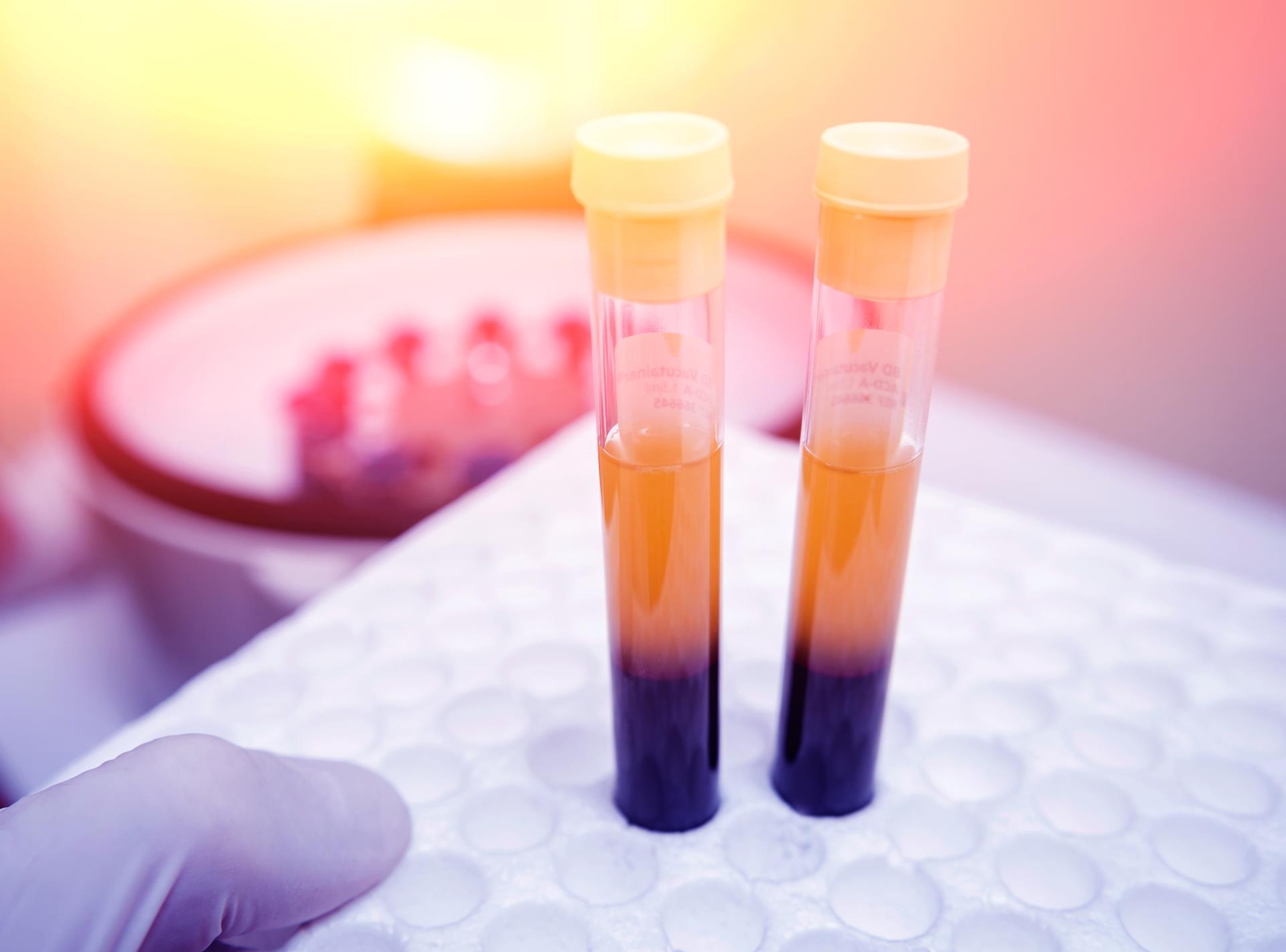
 Platelet Rich Plasma therapy, commonly known as PRP, has gained significant attention in recent years for its ability to support the body’s natural healing processes. Originally used in fields like orthopedics and sports medicine, PRP is now widely recognized as a powerful regenerative treatment for a variety of conditions, including joint pain, soft tissue injuries, and chronic inflammation.
At its core, PRP therapy uses components derived from your own blood to promote tissue repair and recovery. By concentrating platelets and growth factors and delivering them directly to the site of injury, this treatment offers a targeted and minimally invasive approach to healing. Understanding the science behind PRP can help patients feel more confident in choosing this innovative option for pain relief and recovery.
What Is Platelet Rich Plasma and How Is It Created?
Platelet Rich Plasma is a concentrated form of plasma that contains a higher than normal number of platelets. Platelets are best known for their role in blood clotting, but they also contain powerful growth factors that are essential for tissue repair and regeneration.
The process begins with a simple blood draw, similar to what you would experience during routine lab work. The sample is then placed in a centrifuge, which spins at high speed to separate the different components of the blood. This process isolates the platelet rich portion, which is then carefully extracted and prepared for injection. The result is a highly concentrated solution designed to accelerate the body’s natural healing response.
The Science Behind How PRP Promotes Healing
The effectiveness of PRP therapy lies in the biological activity of platelets. Once injected into an injured or inflamed area, platelets release growth factors and signaling proteins that stimulate cellular repair. These growth factors encourage the production of collagen, improve blood flow, and recruit stem cells to the treatment site.
This cascade of healing responses helps repair damaged tissues more efficiently than the body might on its own. PRP is particularly beneficial for conditions where healing is slow or incomplete, such as tendon injuries or degenerative joint issues. By enhancing the body’s natural processes rather than masking symptoms, PRP offers a more sustainable approach to pain management.
For patients interested in learning more about treatment options, exploring Platelet Rich Plasma therapy can provide valuable insight into how this regenerative approach works in real world clinical settings.
Conditions Commonly Treated With PRP Therapy
PRP therapy is versatile and can be used to address a wide range of musculoskeletal conditions. It is commonly recommended for patients experiencing chronic pain in areas such as the knees, shoulders, hips, and elbows. Conditions like tendonitis, ligament injuries, and mild to moderate osteoarthritis often respond well to PRP treatment.
Athletes and active individuals frequently turn to PRP to speed up recovery from injuries and reduce downtime. It is also an appealing option for patients who want to avoid surgery or reduce their reliance on medications. Because PRP uses your body’s own biological material, the risk of adverse reactions is minimal, making it a safe and effective choice for many people.
What to Expect During and After PRP Treatment
PRP therapy is typically performed in an outpatient setting and requires minimal preparation. After the blood is drawn and processed, the PRP is injected directly into the targeted area using image guidance when necessary. The entire procedure usually takes less than an hour.
Following treatment, patients may experience mild soreness or swelling at the injection site, which is a normal part of the healing process. Most individuals can return to their normal activities within a short period, although strenuous activity may be limited for a few days. Results develop gradually as the body repairs itself, with many patients noticing improvements over several weeks.
The number of treatments needed can vary depending on the condition being addressed and the severity of the injury. Your provider will create a personalized treatment plan to ensure optimal outcomes.
Advancing Natural Healing Through Regenerative Medicine
Platelet Rich Plasma therapy represents a significant advancement in regenerative medicine by harnessing the body’s innate ability to heal. Rather than simply addressing symptoms, PRP targets the underlying cause of pain and dysfunction, offering a more comprehensive solution for long term wellness.
As research continues to expand, PRP is becoming an increasingly popular option for patients seeking effective, minimally invasive treatments. With proper evaluation and expert administration, this therapy can play a key role in restoring mobility, reducing discomfort, and improving overall quality of life.
Frequently Asked Questions About Platelet Rich Plasma
How long does it take to see results from PRP therapy?
Most patients begin to notice improvements within a few weeks after treatment, although full results can take several months as the healing process continues. The timeline varies depending on the condition being treated and the individual’s overall health.
Is PRP therapy safe?
PRP therapy is considered very safe because it uses your own blood, reducing the risk of allergic reactions or complications. When performed by a qualified provider, it is a well tolerated procedure with minimal side effects.
At Connecticut Pain Solutions, we focus on helping our patients achieve lasting relief through advanced, non surgical treatments. We proudly serve individuals dealing with chronic pain and injuries by offering personalized care rooted in the latest medical innovations. If you are ready to explore your options, visit our Contact Us page to get started.