
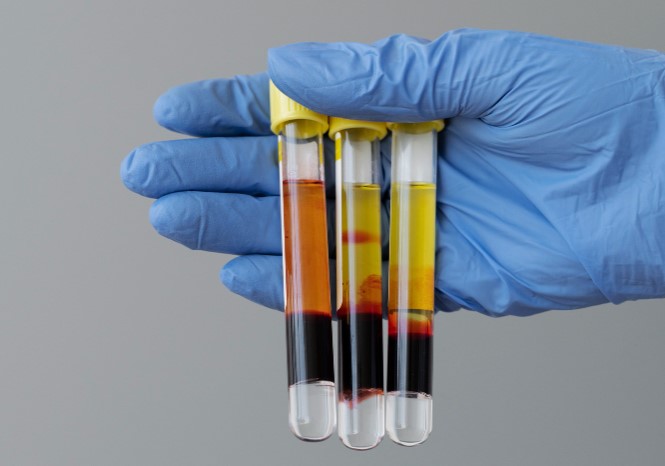
 Platelet-Rich Plasma (PRP) therapy has revolutionized pain management by using the body’s natural healing properties to repair damaged tissues, reduce inflammation, and promote long-term relief. While PRP is effective on its own, combining it with other treatments can often enhance its benefits, providing comprehensive pain management tailored to individual needs.
This blog explores how PRP therapy can be combined with other treatments for optimal pain relief, the conditions that benefit most, and the potential advantages of an integrated approach.
Understanding PRP Therapy
PRP therapy involves drawing a small amount of a patient’s blood, processing it to concentrate platelets, and injecting this platelet-rich plasma into areas of pain or injury. Platelets release growth factors that stimulate tissue repair, reduce inflammation, and promote healing. While effective for various conditions, PRP therapy works even better when integrated with complementary treatments.
Why Combine PRP With Other Treatments?
Combining PRP therapy with other treatments can:
- Enhance the overall effectiveness of pain management
- Target multiple aspects of a condition simultaneously
- Reduce reliance on invasive procedures or medications
- Accelerate recovery and improve long-term outcomes
By integrating therapies, patients can experience a more holistic and personalized approach to pain relief.
Treatments That Complement PRP Therapy
1. Physical Therapy
PRP therapy and physical therapy work hand-in-hand to promote healing and restore function. While PRP stimulates tissue repair, physical therapy strengthens muscles, improves mobility, and prevents re-injury.
Benefits of combining PRP and physical therapy:
- Accelerated recovery
- Improved joint stability and range of motion
- Enhanced outcomes for musculoskeletal conditions
2. Cortisone Shots
Cortisone injections provide rapid, temporary relief from inflammation and pain. In cases where immediate symptom control is needed, cortisone can be used alongside PRP to manage acute discomfort while PRP works on long-term healing.
Benefits of combining PRP and cortisone shots:
- Immediate pain relief with sustained healing benefits
- Reduced dependency on corticosteroids over time
3. Hyaluronic Acid Injections
Hyaluronic acid (HA) injections are commonly used to lubricate joints and reduce friction in conditions like osteoarthritis. Combining HA with PRP can enhance joint function and slow the progression of degenerative conditions.
Benefits of combining PRP and HA injections:
- Improved joint lubrication and cushioning
- Enhanced cartilage repair
- Reduced stiffness and increased mobility
4. Medications
PRP therapy can be combined with non-steroidal anti-inflammatory drugs (NSAIDs) or other pain medications for temporary relief while PRP takes effect. This approach is often used for patients with severe or chronic pain.
Benefits of combining PRP and medications:
- Immediate symptom management
- Gradual reduction in medication use as PRP promotes healing
5. Stem Cell Therapy
Stem cell therapy and PRP share regenerative properties and can work synergistically to enhance healing. While PRP stimulates tissue repair, stem cells can regenerate damaged cells, making this combination ideal for advanced injuries or degenerative conditions.
Benefits of combining PRP and stem cell therapy:
- Accelerated healing
- Comprehensive regeneration of damaged tissues
- Improved outcomes for severe injuries
6. Chiropractic Care
Chiropractic adjustments can complement PRP therapy by improving alignment, reducing pressure on joints, and enhancing the body’s ability to heal. This combination is particularly effective for back and neck pain.
Benefits of combining PRP and chiropractic care:
- Reduced pain and inflammation
- Improved spinal alignment and posture
- Enhanced mobility and recovery
Conditions That Benefit From Combined Treatments
1. Osteoarthritis
Combining PRP with HA injections or physical therapy can improve joint function, reduce pain, and slow disease progression.
2. Tendon Injuries
Pairing PRP with physical therapy strengthens tendons, accelerates healing, and prevents re-injury in conditions like tennis elbow or Achilles tendinitis.
3. Chronic Back Pain
Chiropractic care and PRP therapy can alleviate back pain caused by degenerative disc disease, muscle strain, or facet joint dysfunction.
4. Sports Injuries
For athletes, PRP combined with physical therapy or stem cell therapy can expedite recovery from ligament sprains, muscle tears, and joint injuries.
5. Post-Surgical Recovery
PRP therapy can be integrated into a post-operative rehabilitation program to reduce pain, accelerate healing, and improve outcomes.
Advantages of Combining PRP With Other Treatments
- Comprehensive Care: Treats multiple aspects of a condition simultaneously, addressing pain, inflammation, and functional limitations.
- Faster Recovery: Accelerates the healing process, allowing patients to return to daily activities or sports sooner.
- Reduced Medication Use: Minimizes reliance on painkillers or anti-inflammatory drugs by promoting natural healing.
- Improved Long-Term Outcomes: Enhances tissue repair and prevents further degeneration or injury.
What to Consider When Combining Treatments
Before integrating PRP therapy with other treatments, it’s important to:
- Consult Your Doctor: A healthcare provider can assess your condition and recommend the most effective combination of therapies.
- Follow a Personalized Plan: Treatment combinations should be tailored to your specific needs and goals.
- Understand the Timeline: PRP works gradually, so it’s essential to align complementary treatments with the expected timeline for healing.
How to Maximize Results
To get the most out of combined treatments:
- Adhere to Aftercare Instructions: Follow your provider’s guidelines to optimize healing and reduce risks.
- Stay Consistent: Attend all recommended therapy sessions or follow-ups to ensure sustained progress.
- Maintain a Healthy Lifestyle: Proper nutrition, hydration, and regular exercise support the body’s healing process.
- Communicate With Your Provider: Share any changes in symptoms or concerns to adjust your treatment plan as needed.
Conclusion
PRP therapy is a powerful tool for pain relief and healing, but its benefits can be amplified when combined with complementary treatments. Whether paired with physical therapy, hyaluronic acid injections, or chiropractic care, an integrated approach can provide comprehensive and effective pain management.
By working closely with a qualified healthcare provider, patients can develop a personalized treatment plan that maximizes results and improves quality of life. If you’re considering PRP therapy, explore how combining it with other treatments might enhance your recovery and long-term outcomes.
FAQs: Can PRP Be Combined With Other Treatments for Better Pain Relief?
- What treatments can be combined with PRP therapy? PRP therapy can be combined with physical therapy, cortisone injections, hyaluronic acid injections, stem cell therapy, chiropractic care, and medications for enhanced pain relief.
- Is it safe to combine PRP with other treatments? Yes, combining PRP with other treatments is generally safe when done under the guidance of a qualified healthcare provider.
- How does combining PRP with physical therapy improve outcomes? Physical therapy strengthens muscles, improves mobility, and prevents re-injury, complementing PRP’s tissue repair and inflammation reduction.
- Can PRP and cortisone shots be used together? Yes, cortisone can provide immediate pain relief, while PRP works on long-term healing. This combination is useful for managing acute and chronic pain.
- What conditions benefit most from combined PRP treatments? Conditions like osteoarthritis, tendon injuries, chronic back pain, sports injuries, and post-surgical recovery respond well to integrated therapies.
- Do combined treatments with PRP speed up recovery? Yes, combining PRP with complementary therapies can accelerate healing, improve function, and provide more comprehensive pain relief.