 Athletes, whether professional or recreational, constantly push their bodies to the limit. Unfortunately, this physical demand often leads to injuries—ranging from minor strains to severe tendon or ligament tears. Traditional treatment options like rest, ice, and physical therapy can help, but recovery times can still be long, delaying an athlete’s return to their sport. In recent years, advancements in regenerative medicine have introduced a groundbreaking solution known as Platelet Rich Plasma (PRP) therapy.
PRP injections have gained widespread attention for their ability to accelerate healing and enhance tissue repair using the body’s own biological resources. By harnessing concentrated platelets from a patient’s blood, PRP therapy promotes faster recovery, reduces inflammation, and helps restore optimal function—all without the need for surgery or prolonged downtime.
Understanding the Science Behind PRP Therapy
To appreciate how PRP injections help with sports injuries, it’s important to understand their biological foundation. Platelets are small cell fragments in the blood that play a crucial role in clotting and wound healing. They contain growth factors and signaling proteins that trigger tissue regeneration.
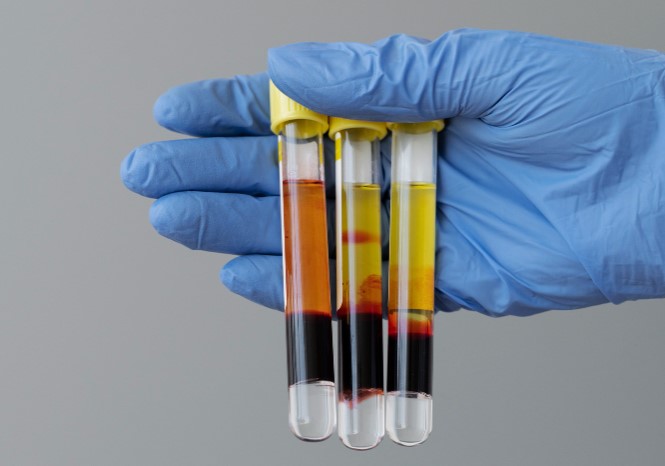
During PRP therapy, a small amount of the patient’s blood is drawn and placed in a centrifuge, which separates the platelets from other blood components. The concentrated platelet solution—often containing up to five times more growth factors than normal blood—is then injected directly into the injured tissue under ultrasound guidance. Once administered, the platelets release bioactive proteins that stimulate cell repair, improve blood flow, and recruit stem cells to the area, jumpstarting the natural healing process.
This regenerative approach helps the body heal more effectively, particularly in areas with limited blood supply, such as tendons and ligaments, where traditional healing can be slow and incomplete.
Common Sports Injuries Treated with PRP Injections
PRP therapy is used across a wide range of sports-related injuries, from acute trauma to chronic overuse conditions. Because it targets the underlying cause of tissue damage, it’s particularly beneficial for injuries that have not responded well to conventional treatment.
Some of the most common conditions treated with PRP include:
- Tendon injuries: Tennis elbow, golfer’s elbow, Achilles tendinitis, and rotator cuff injuries.
- Ligament sprains: PRP can help strengthen and heal partially torn ligaments in the knee, ankle, and shoulder.
- Muscle strains: Hamstring, quadriceps, and calf strains often respond well to regenerative stimulation from PRP.
- Joint pain: PRP is also used for mild to moderate osteoarthritis, improving lubrication and reducing inflammation within the joint.
Professional athletes from all sports—such as basketball, soccer, and baseball—have embraced PRP therapy for its ability to shorten recovery time and restore peak performance. The treatment’s natural, minimally invasive nature makes it a valuable tool for anyone looking to return to activity faster.
Benefits of PRP Injections for Recovery and Performance
One of the greatest advantages of Platelet Rich Plasma (PRP) therapy is its ability to enhance the body’s own healing mechanisms. Unlike pain medications or cortisone injections that simply mask symptoms, PRP works at the cellular level to promote genuine tissue regeneration.
Key benefits include:
- Accelerated healing: The concentrated growth factors in PRP stimulate faster repair of damaged tissue, reducing overall recovery time.
- Reduced inflammation: PRP’s anti-inflammatory properties help relieve pain and swelling naturally, without the side effects of pharmaceuticals.
- Improved tissue strength: By encouraging collagen and elastin production, PRP helps restore the structural integrity of tendons, ligaments, and muscles.
- Minimally invasive procedure: PRP therapy uses a patient’s own blood, making it safe, autologous, and virtually free from allergic reactions.
- Enhanced long-term results: Many patients experience not only faster healing but also lower recurrence rates of injury due to stronger repaired tissues.
For athletes and active individuals, these benefits translate to shorter downtimes, safer recoveries, and better long-term joint and muscle health.
The PRP Treatment Experience
The process of receiving PRP therapy is straightforward and typically completed within an hour. After a blood draw, the sample is processed using a centrifuge to create a concentrated platelet solution. The injection site is then numbed with a local anesthetic, and the PRP is precisely administered into the injured area using ultrasound imaging for accuracy.
Patients may experience mild soreness or stiffness at the injection site for a few days following treatment—this is a normal part of the healing process. Over the next several weeks, the platelets release growth factors that stimulate repair and regeneration. Most patients begin to notice improvements in pain and function within four to six weeks, with continued gains over several months as new tissue forms.
Unlike surgical procedures that require extensive recovery periods, PRP allows patients to resume light activity relatively quickly. Many athletes combine PRP with physical therapy for even greater results, ensuring proper strength and flexibility as the injury heals.
Restoring Mobility and Confidence After Injury
Recovering from a sports injury is not just about physical healing—it’s about regaining confidence and mobility. PRP therapy helps bridge that gap by delivering meaningful results without invasive intervention. By focusing on regeneration instead of suppression, it empowers athletes to take control of their recovery while minimizing risks.
For individuals who have struggled with recurring injuries or who wish to avoid surgery, PRP provides an evidence-based, natural solution. Whether you’re an athlete striving to get back on the field or someone who simply wants to move without pain, regenerative treatments like PRP are changing the future of sports medicine.
At Connecticut Pain Solutions, specialists evaluate each patient’s unique condition to determine if PRP is the right choice for their recovery. This personalized approach ensures optimal results tailored to the individual’s sport, lifestyle, and goals.
Frequently Asked Questions About Platelet Rich Plasma (PRP)
How soon can I return to sports after PRP therapy?
Recovery time varies depending on the type and severity of the injury, but most patients can resume light activity within a few days and gradually return to full sports participation in 4–6 weeks. It’s essential to follow your physician’s post-treatment guidelines and avoid high-impact activities until healing is well underway.
Are PRP injections painful?
Most patients describe PRP injections as only mildly uncomfortable. A local anesthetic is typically used to minimize any pain during the procedure. Afterward, there may be slight soreness at the injection site, similar to what you might feel after a vigorous workout. This discomfort usually subsides within a few days.
At Connecticut Pain Solutions, we’re dedicated to helping patients recover from injuries and chronic pain through advanced regenerative treatments like PRP therapy. Our goal is to restore mobility, reduce pain, and support long-term healing so you can return to the activities you love. To learn more or schedule an appointment, please visit our Contact Us page.