
 Tendonitis is a common and often frustrating condition that affects people of all ages and activity levels. Whether it develops from repetitive motion at work, athletic overuse, or age related wear and tear, tendon inflammation can limit mobility and make everyday tasks painful. Many patients in Connecticut search for solutions beyond rest, physical therapy, or medications when these options do not provide lasting relief.
Platelet rich plasma therapy, commonly known as PRP, has emerged as a regenerative treatment option designed to support the body’s natural healing process. This article explains how PRP therapy works for tendonitis, who may benefit from it, and what patients should realistically expect when considering this treatment.
Understanding Tendonitis and Why It Can Be Hard to Treat
Tendons are thick bands of connective tissue that attach muscles to bones. When tendons are overused or injured, they can become inflamed or develop microscopic tears, leading to tendonitis. Common examples include tennis elbow, golfer’s elbow, Achilles tendonitis, rotator cuff tendonitis, and patellar tendonitis.
One reason tendonitis can be difficult to treat is that tendons have a limited blood supply. Reduced circulation means fewer nutrients and healing cells reach the injured tissue. While anti inflammatory medications and steroid injections may reduce pain temporarily, they do not always address the underlying tissue damage. Over time, repeated inflammation can progress into chronic tendinopathy, where the tendon weakens and becomes more prone to re injury.
How PRP Therapy Works for Tendon Healing
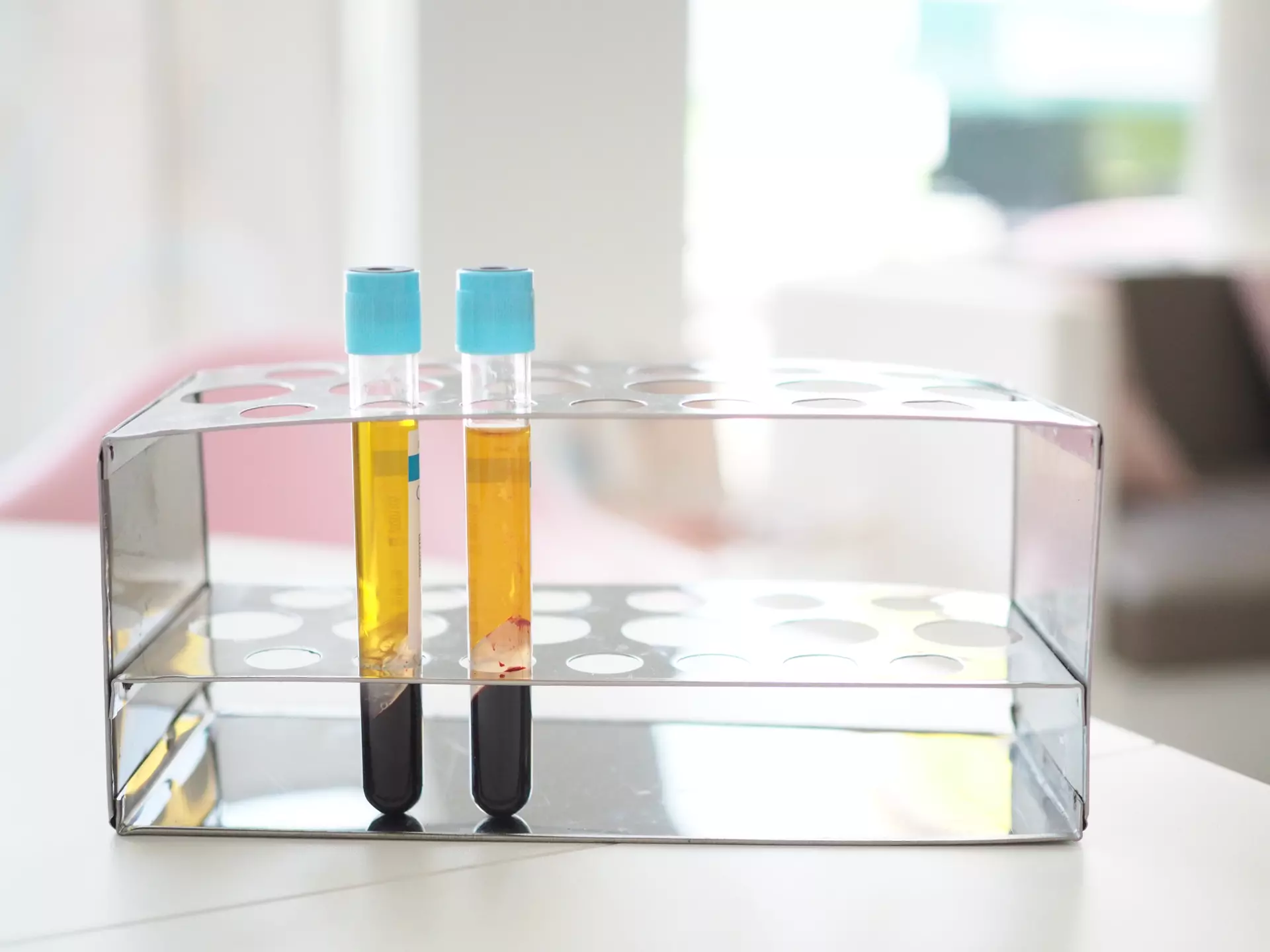
PRP therapy uses a concentrated portion of the patient’s own blood to promote healing. During the procedure, a small blood sample is drawn and processed in a centrifuge to isolate platelets and growth factors. These platelets play a key role in tissue repair by signaling the body to begin healing damaged areas.
When injected directly into the affected tendon, PRP delivers a high concentration of these growth factors precisely where they are needed. This process can help stimulate collagen production, improve blood flow, and support the regeneration of injured tendon fibers. Clinics like Connecticut Pain Management offer specialized care using advanced techniques and experience with regenerative treatments such as Platelet Rich Plasma (PRP) therapy.
Unlike treatments that simply mask pain, PRP aims to encourage long term healing at the cellular level. While results vary from patient to patient, many individuals report gradual improvement in pain, strength, and function over the weeks following treatment.
Who May Be a Good Candidate for PRP Therapy
PRP therapy may be an option for patients with mild to moderate tendonitis that has not responded to conservative care. This includes individuals who have tried rest, physical therapy, bracing, or medications without meaningful or lasting improvement. It is also commonly considered by patients who want to avoid surgery or are not ideal surgical candidates.
Athletes and physically active individuals often explore PRP therapy to support recovery while minimizing downtime. However, PRP is not limited to athletes. People with work related tendon injuries, age related degeneration, or repetitive strain conditions may also benefit. A thorough evaluation is essential to determine whether PRP is appropriate, as factors such as overall health, severity of tendon damage, and specific diagnosis all play a role.
PRP may not be recommended for patients with certain blood disorders, active infections, or severe tendon tears that require surgical repair. A pain management specialist can help determine the most suitable treatment plan based on individual needs and goals.
What to Expect Before, During, and After Treatment
Before PRP therapy, patients typically undergo a consultation and imaging studies such as ultrasound or MRI to confirm the diagnosis and pinpoint the affected tendon. Certain medications, particularly anti inflammatory drugs, may need to be paused prior to the procedure to avoid interfering with the healing response.
The PRP procedure itself is usually completed in under 60 minutes. After the blood is drawn and processed, the PRP is injected into the injured tendon, often using imaging guidance for precision. Some discomfort during or shortly after the injection is normal, as the treatment is designed to trigger a healing response.
Recovery varies, but most patients can return to light activities within a few days. Physical therapy or guided rehabilitation is often recommended to support healing and restore strength. Improvement is typically gradual, with many patients noticing benefits over 4 to 12 weeks as the tendon repairs itself.
Supporting Long Term Tendon Health
PRP therapy is most effective when combined with a comprehensive approach to tendon care. This may include activity modification, strengthening exercises, ergonomic adjustments, and proper warm up and recovery routines. Addressing biomechanical issues and overuse patterns helps reduce the risk of recurrence and supports lasting results.
Patients should also have realistic expectations. PRP is not an instant fix, and results can vary. However, for many individuals dealing with persistent tendonitis, it offers a promising option that focuses on healing rather than short term symptom control.
Frequently Asked Questions About Platelet Rich Plasma (PRP)
How long do PRP results last for tendonitis?
PRP therapy aims to promote actual tissue healing, so results can be long lasting. Many patients experience sustained improvement for months or even years, especially when combined with physical therapy and lifestyle adjustments. Individual outcomes depend on the severity of tendon damage and adherence to post treatment recommendations.
Is PRP therapy safe for treating tendonitis?
PRP is generally considered safe because it uses the patient’s own blood, which reduces the risk of allergic reactions or disease transmission. Side effects are typically mild and may include temporary soreness or swelling at the injection site. A qualified pain management provider can review risks and benefits based on each patient’s medical history.
At Connecticut Pain Management, we specialize in advanced, non surgical treatments designed to help patients regain mobility and reduce pain. Our team serves individuals throughout Connecticut with personalized care focused on long term relief and improved quality of life. If you are exploring regenerative treatment options, we invite you to Contact Us to schedule a consultation and learn more.